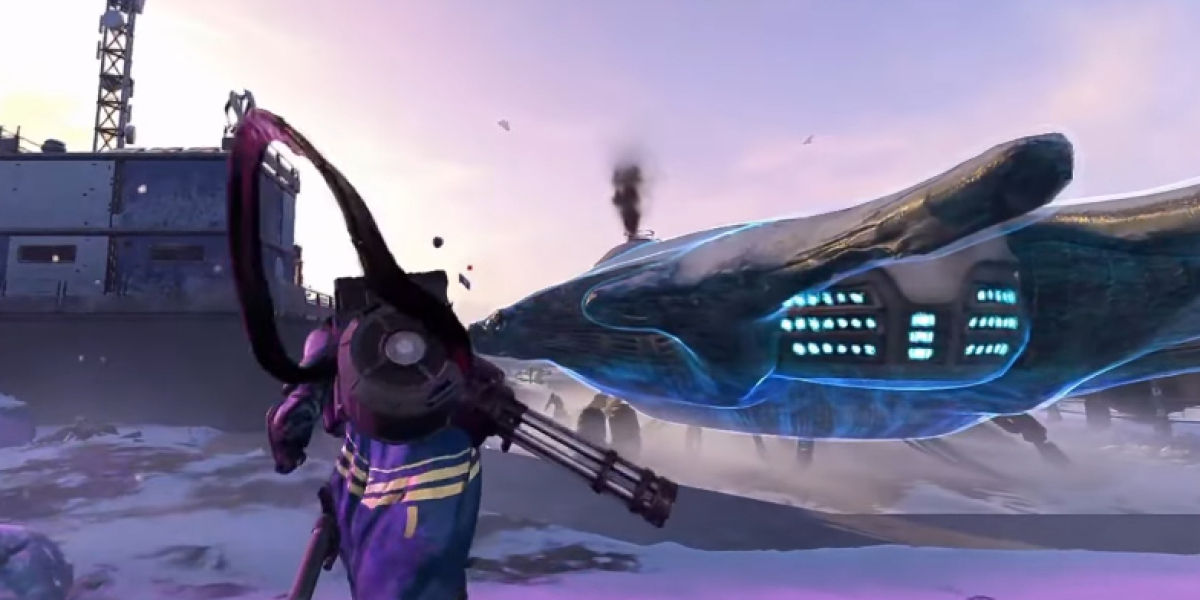

For many players, the shifting fronts and Major Orders in Helldivers 2 can feel complex. The in-game news feed provides the "what," but not always the "why" or "how it impacts you." Based on the recent campaign data from mid-2184 onwards, here’s a breakdown of how these galactic events typically translate to gameplay and common player behavior.
How Do Major Orders and Campaigns Actually Work?
In practice, High Command's Major Orders set the community's primary objective for a set period. These are not random; they follow a narrative based on our collective performance. For instance, the destruction of Meridia in June and the subsequent encirclement of the Automatons in July were direct results of players successfully completing planets and winning campaigns. When we fail a planet, the enemy gains ground, which can lead to new threats like the "Gloom" spore cloud. Most players focus on the active Major Order planets, as completing them unlocks rewards and drives the narrative forward. It's a tug-of-war where our wins and losses directly shape the next challenge.
What Was the Significance of the Meridia and Automaton Campaigns?
The Meridia operation in June was a major narrative pivot. Successfully injecting the Dark Fluid and creating the wormhole was a win, but it had consequences—the emergence of the Gloom and the Predator Strain. This is a common pattern: a major victory often introduces a new gameplay mechanic or enemy variant. Similarly, the July campaign to split the Automaton territory was a large-scale, multi-front war. In general, such large offensives require the community to coordinate attacks across several planets simultaneously. The successful encirclement showed that concentrated player effort can achieve strategic goals, locking enemies into a "pocket" for later eradication.
What is "The Gloom" and How Does It Affect Missions?
The Gloom is a perfect example of a persistent galactic condition that arises from story events. Initially dismissed, it grew into a major terrain hazard. From a gameplay perspective, when a region of space is under the Gloom, it usually means missions on affected planets will have reduced visibility and potentially new environmental challenges. The reports of vessels losing contact hint that it might be a precursor to more dramatic in-mission events or modifiers. Most players have learned that when scientists report a new phenomenon like this, it's only a matter of time before we encounter it firsthand in a mission.
Why Do We Sometimes Have to Gather Samples or Secure Resources?
High Command frequently tasks us with securing specific materials, like the polystyrene on Vernen Wells or titanium on Imber. These are directly tied to unlocking new stratagems or upgrades for the fleet. The failure to secure enough polystyrene, for example, delayed the Orbital Napalm Barrage for everyone. This creates a clear cause and effect: if the community doesn’t complete these resource-gathering orders, our collective arsenal suffers. Managing your loadout to include tools for both combat and objective completion, like the Hivebreaker Drill for Terminid nests, becomes crucial during these phases. This is also where efficient management of your helldivers 2 items, from strategems to weapons, for the specific mission type makes a significant difference in personal and community success.
How Should We Approach the Constant War on Two Fronts?
A recurring theme is the need to split forces between the Terminids and Automatons. High Command often evaluates "Force Readiness" by testing our ability to fight on both fronts. Common player behavior follows the incentive: the front with the more urgent Major Order or the better personal reward usually sees more diversions. However, letting one front stagnate can lead to massive outbreaks or counter-invasions, as seen with the Automaton push in August and the Terminid outbreak from the Gloom in September. In general, seasoned players recommend checking the galactic map daily to see which fronts are losing ground and adjusting a few missions to help stabilize them.
What's the Deal with the Democratic Space Station (DSS) and Science Centers?
The construction of the DSS and the Xenoentomology Centre on Turing are long-term infrastructure projects. Securing these construction sites typically provides permanent benefits to all players, such as access to new ship modules, strategems, or drive technologies like the E-710 Warp Drive. Most players understand that participating in these liberation campaigns is a good investment, as the unlocked upgrades enhance our capabilities for the rest of the war. These are community milestones that yield tangible gameplay rewards.
In summary, the war effort is a dynamic system. Our actions have direct consequences, victories often breed new challenges, and community coordination is key to unlocking the best tools for the job. Paying attention to the narrative clues from High Command and scientists can often give you a heads-up on what new enemy or mission type you might face next week.