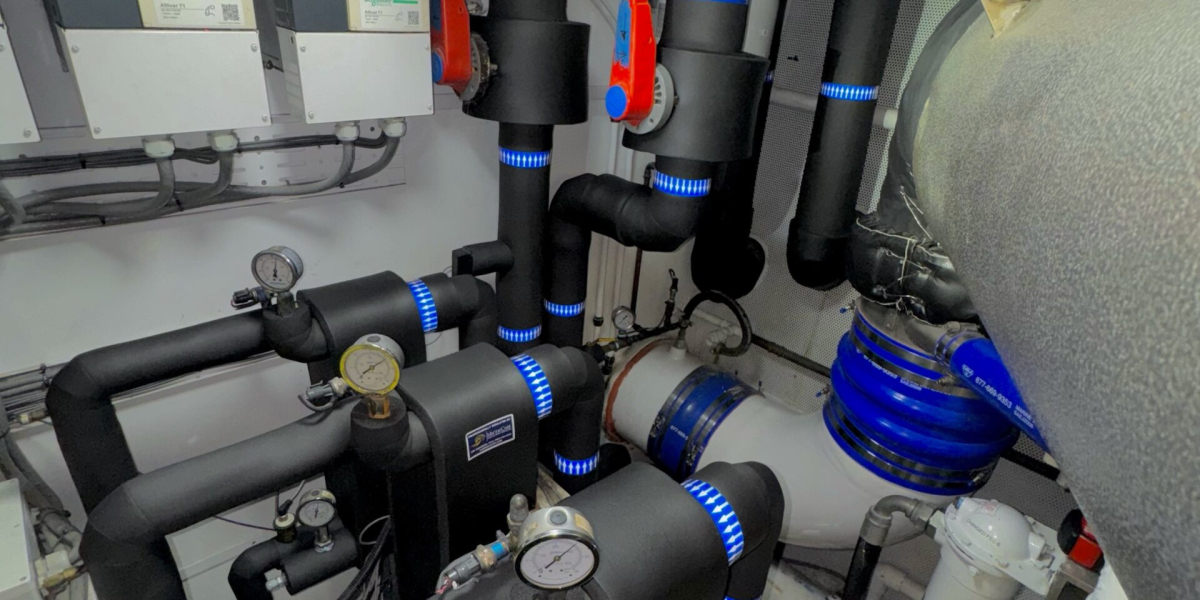

Once or twice, vessel owners overlook the critical role that marine pipe insulation plays in maintaining operational safety, thermal efficiency, and crew comfort. Beyond simple heat retention, marine pipe insulation protects piping systems from condensation, corrosion, and fire hazards. Marine insulation companies emphasize that adherence to established standards is not optional; it is essential for regulatory compliance, energy efficiency, and longevity of maritime infrastructure. Understanding these standards allows vessel operators to select appropriate materials, ensure proper installation, and mitigate costly repairs or safety incidents over the vessel’s operational lifespan.
Regulatory Framework for Marine Pipe Insulation
Classification Society Guidelines
Marine vessels operate under stringent rules established by classification societies such as ABS, DNV GL, and Lloyd’s Register. These organizations define insulation requirements for various piping systems, including fuel lines, HVAC ducts, and potable water pipes. Marine insulation companies rely on these guidelines to determine the minimum thermal resistance, fire rating, and mechanical protection necessary for compliance. Understanding these classifications ensures that insulation installations withstand maritime environmental pressures while meeting safety standards.
International Maritime Organization (IMO) Requirements
The IMO sets global safety protocols affecting all vessels engaged in international waters. Marine pipe insulation must comply with fire protection standards, toxic emission limitations, and thermal insulation specifications. Non-compliance can result in penalties, delayed inspections, or restrictions on operation. Marine insulation companies integrate these regulations into their design and installation processes, ensuring that every pipe segment meets or exceeds IMO expectations.
Material Standards and Selection
Thermal Performance Metrics
Marine pipe insulation materials must maintain consistent thermal resistance under wet, humid, and variable temperature conditions. High-performance elastomers, polymer composites, and fiberglass with corrosion-resistant coatings are commonly used. Marine insulation companies assess these materials based on R-value retention, moisture absorption, and compressive strength to ensure efficiency and durability.
Fire and Safety Ratings
Fire resistance is a paramount concern on vessels. Marine pipe insulation must resist ignition, minimize smoke generation, and maintain structural integrity under high temperatures. Materials often undergo rigorous testing for flame spread, smoke density, and toxicity, as prescribed by maritime fire safety standards. Marine insulation companies select products that not only comply with these standards but also integrate seamlessly with vessel layouts to maximize protection.
Moisture and Corrosion Resistance
Condensation Control
Pipes carrying chilled fluids or steam are prone to condensation, which can cause corrosion under insulation (CUI). Marine insulation companies employ vapor barriers, hydrophobic coatings, and precision sealing techniques to prevent moisture ingress. These measures protect both the piping and surrounding structural elements, enhancing vessel longevity and operational safety.
Saltwater and Environmental Protection
Marine vessels are constantly exposed to salt-laden air and high humidity, which accelerate material degradation. Marine pipe insulation materials and jacketing systems are engineered to resist corrosion, UV exposure, and mechanical wear. Compliance with environmental resistance standards ensures that insulation remains effective even in harsh offshore conditions.
Installation Best Practices
Precision Application
Even high-quality insulation fails if improperly installed. Marine pipe insulation must be applied with meticulous attention to seam integrity, penetration points, and support spacing. Marine insulation companies deploy specialized installation teams trained to follow stringent procedures that guarantee thermal, acoustic, and fire protection performance.
Accessibility for Maintenance
Vessel operators must consider ease of inspection and maintenance. Modular insulation sections, removable panels, and clearly marked systems facilitate periodic checks and repairs without compromising performance. Marine insulation companies design these solutions to balance protection with operational practicality, ensuring vessels remain compliant and functional.
Inspection and Quality Assurance
Routine Checks
Inspection is vital to maintain insulation efficacy. Regular thermal imaging, moisture monitoring, and visual inspections detect early signs of wear, damage, or condensation accumulation. Marine insulation companies often provide maintenance protocols aligned with classification society and IMO requirements.
Documentation and Certification
Proper documentation demonstrates compliance with all regulatory standards. Marine insulation companies supply certification, material specifications, and installation reports that vessel owners can present during audits and inspections. This documentation not only ensures legal compliance but also supports insurance claims and asset valuation.
Future Trends in Marine Pipe Insulation
Smart and Monitored Systems
Innovations include insulation integrated with sensors that track temperature, humidity, and structural integrity in real time. Marine insulation companies are beginning to deploy these technologies, allowing predictive maintenance and improving overall vessel safety.
Sustainable Insulation Solutions
Environmental concerns are driving adoption of eco-friendly insulation materials that maintain performance while reducing ecological impact. Recycled composites, biodegradable polymers, and low-emission coatings are becoming standard offerings among leading marine insulation companies, aligning operational efficiency with environmental stewardship.
Once, understanding marine pipe insulation standards is vital for vessel owners seeking to maximize operational efficiency, safety, and crew comfort. Marine insulation companies provide the expertise, materials, and installation techniques required to meet these standards, ensuring vessels remain compliant, durable, and comfortable across diverse maritime conditions.