
I see this happen almost every week: a founder steps into the B2B space assuming a commercial marketplace is just a consumer app with extra zeros on the price. Such an assumption regularly kills firms long before they write the first line of code.
Think about the difference. When I purchase a phone case, I press “Buy Now” and swipe it with my credit card. But for buying heavy factory equipment, that’s not the case. You have to go through a massive layered process.
That's why you need the B2B marketplace builder, which is essential for handling detailed purchase orders, deposits, and negotiated bulk prices.
Building a B2B platform means rethinking operations and architecture entirely. You're constantly managing risk and workflow friction, not just matching people up.
What Founders Overlook in B2B Marketplaces
Founders are obsessive when it comes to discovery. They believe that the fundamental problem is to assist businesses in finding supplies, but that’s actually easy. The actual nightmare is managing the daily workflow.
Imagine you are a materials coordinator. The problem isn't sourcing raw materials, as they have directories of heavy industries. The actual challenge is managing long-term vendor relationships, tracking invoices, and coordinating all of this with their complex corporate accounting system.
When your new shiny platform only connects them with a supplier, and that is all, you have not addressed their problem. You have given them another tab on their browser.
I have seen companies waste their seed capital on fancy search filters and fancy visual designs.
Months after that, they are desperately attempting to add invoicing components as they discover that they are, in fact, expected to create financial software and not just a directory. It is this operational friction that early marketplaces are losing cash on.
Why Building Your Marketplace from Scratch Can Cost More Than You Think
If you are an enterprise, you can spend half a million dollars on development, which can take nine tough months for your infrastructure. But as a startup, you can't spare the time or the funds.
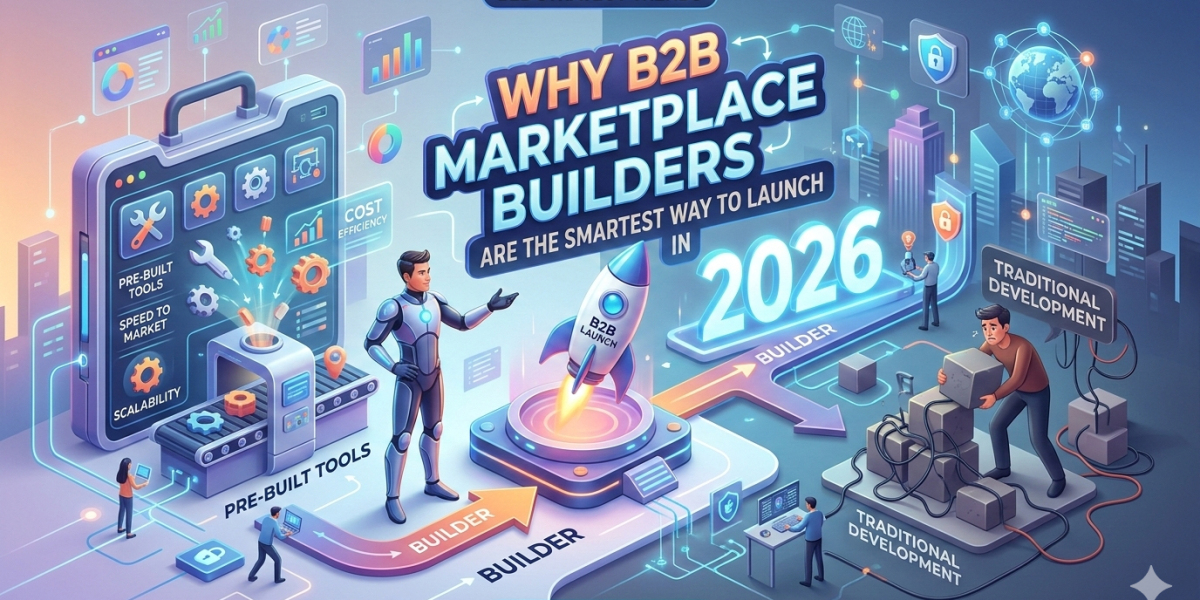
A SaaS marketplace approach may work for you, as it allows you to launch in a few days for a low monthly subscription rather than a high upfront cost.
A more practical solution is one that employs a B2B marketplace builder. Custom software will need a professional backend developer for each minor feature adjustment. And for the SaaS marketplace, the provider will take care of everything from hosting to updates.
Automation vs. Headcount: The Real Scalability Test
Say your platform connects event caterers with regional organic farms.
In year one, doing 50 orders a month, you can fix a broken invoice manually. You just call the farm and sort it out in five minutes. This is the classic "do things that don't scale" approach.
But in year three, processing 5,000 large orders a day, a 1% error rate means 50 angry phone calls every single morning.
Internal complexity skyrockets.
You have to hire a massive customer support team just to patch over the gaps in your software, and there goes your profit margins.
This startup trap can be easily avoided when you use the marketplace platform builder, where you just pay a humble monthly software subscription rather than stressing out to recruit ten new support staff.
B2B Is Not Just B2C With Bigger Contracts
The tech ecosystem worships minimalist design. It's common to hear people confidently say that user experience is your absolute best competitive moat. But in B2B, obsessing over button shadows is a dangerous mental distraction.
In B2B, dependability beats design. Your users care more about error-free CSV exports, compatibility with existing accounting systems, and checkout logic than aesthetics.
I always recommend that founders focus on the monotonous technical integrations. When your marketplace website builder is built around the core business tools, buyers and sellers can connect and complete transactions without leaving the platform.
Instead of polishing the design, focus on integrations. A well-structured marketplace website builder keeps payments, invoicing, and reporting inside the system, so transactions stay on-platform.
Platform Leakage: The Hidden Threat to B2B Marketplace Revenue
Platform leakage is the silent killer of marketplaces. It occurs when a buyer and a seller come to a meeting on your site and then hasten to transact the actual business off-site to evade your charges.
In fact, more than 70% of B2B buyers will move to a competitor if essential digital capabilities such as clear pricing and up-to-date inventory are not available. (McKinsey). Simple discovery will lead to leakage of nearly 100%. The only way to stop it is to make leaving the platform harder than staying.
You do that by offering workflow features they can't easily replicate themselves: automated tax compliance, discounted commercial shipping insurance, or instant net-terms financing. You have to make the transaction itself financially sticky.
Essential FAQs for B2B Marketplace Founders
1. What is a B2B marketplace, and how is it different from a consumer marketplace?
A B2B marketplace connects businesses to buy and sell products or services. It supports complex workflows like bulk pricing, personalized quotations, and transactions that are larger, making them more complicated.
2. How quickly can I launch a B2B marketplace using a marketplace website builder?
With a B2B marketplace builder, you can get started in days or even within a day due to its SaaS model. Building a marketplace from scratch can take between 6 and 12 months, depending on the complexity and the integrations you need.
3. Is it cheaper to use a SaaS builder or hire a developer for my marketplace?
SaaS is far more affordable. You avoid high upfront costs and get hosting, security, and maintenance included in one low monthly subscription. If you’re an existing business looking for a unique workflow, go with a custom build.
Conclusion
Success in B2B marketplaces requires immense patience. Getting traditional companies to structurally change how they purchase basic supplies takes time.
Instead of casually wasting time building basic infrastructure from scratch, focus on the friction points in your target industry and get to the market fast with your B2B marketplace builder, which allows you to solve the hard operational problems.
By prioritizing integrations, dependable processes, and “sticky” on-platform transactions, you can turn complex B2B deals into smooth, reliable experiences.
Get started with a SaaS model for your startup and stay ahead in 2026!