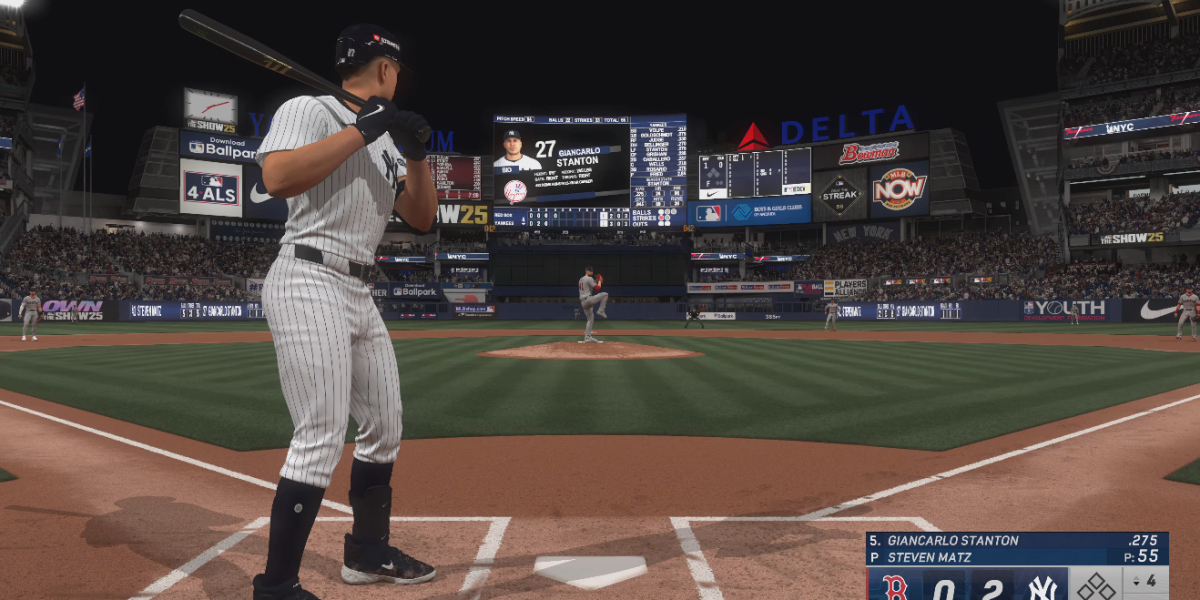

In MLB The Show 26, one of the key factors that determine how well your players perform is their attribute splits. These splits play a huge role in matchups, whether you're hitting, pitching, or fielding. Understanding how to use these splits in your favor can give you a big advantage in gameplay. This article breaks down the basics of attribute splits, explains how they impact different matchups, and gives you practical tips to apply during games.
What Are Attribute Splits?
In MLB The Show 26, an "attribute split" refers to the differences in a player's performance against different types of pitchers or batters. For example, a player might have good stats against left-handed pitchers (LHP), but struggle against right-handed pitchers (RHP). These splits—broken down into categories like "vs. RHP" and "vs. LHP"—give you more detailed insight into how a player is likely to perform in different matchups.
Each batter and pitcher has unique splits that affect various aspects of the game, including batting average, power, and speed. These are often shown as "contact," "power," and "vision" when you're looking at hitters, and "velocity," "break," and "control" for pitchers.
Why Do Attribute Splits Matter in Matchups?
The reason attribute splits are crucial is because of how they affect a player's performance against specific pitchers. For example, if you know your hitter has a strong split against left-handed pitchers, you're more likely to get a hit or even a home run when facing a LHP. The same goes for pitching: If your pitcher excels against right-handed hitters, you’ll be more comfortable with them on the mound when facing a team full of right-handed batters.
In practice, these splits provide a way to optimize your lineup or pitching staff based on the opponent you're facing. If you don’t pay attention to these splits, you might be putting your players in poor matchups, making it harder to win games.
How Do I Read Attribute Splits?
Let’s look at a simple example to break it down:
Player A has 85 contact and 90 power vs. RHP, but only 70 contact and 60 power vs. LHP.
Player B has 70 contact and 60 power vs. RHP, but 85 contact and 90 power vs. LHP.
In this case, Player A is much stronger against right-handed pitchers, while Player B is better against left-handed pitchers. Knowing this, you’d want to use Player A when facing a RHP and Player B when facing a LHP.
This split information helps you make strategic decisions. You can pick the right player for the right pitcher to increase your chances of success in any given matchup. The better you know these splits, the more effective you’ll be at taking advantage of favorable matchups.
How Do Attribute Splits Affect Batting?
When it comes to batting, split attributes have a direct impact on your chances of making solid contact and getting extra-base hits. Batters tend to have a higher batting average, more power, and better vision against the type of pitcher they have the best split against.
For example, a player who has a .300 batting average against left-handed pitchers but only a .240 average against right-handed pitchers is much more likely to get a hit when facing a lefty. In addition, the power stats are often more exaggerated in these matchups. A player with 90+ power against left-handed pitchers might hit more home runs in that situation compared to when facing right-handed pitchers.
This is why many experienced players build their lineup with platoons—combining players who excel against opposite-handed pitchers. If you know a player's splits, you can make substitutions or shifts in your lineup to get the best chance of success.
How Do Attribute Splits Affect Pitching?
Pitching is also heavily influenced by attribute splits. Just as batters are stronger or weaker against certain pitcher types, pitchers also have specific strengths and weaknesses when facing different types of batters. For example, a pitcher with high velocity and control against right-handed batters might struggle against left-handed batters due to lack of break or pitching mechanics that aren’t as effective against them.
When you're selecting a pitcher, you need to consider who they'll be facing. If your starting pitcher has a high "break" stat but lower control against right-handed hitters, you might want to consider a different pitcher if the opponent's lineup is heavy with right-handed batters. Likewise, pitchers with high velocity against left-handed hitters can dominate that type of matchup, but they might not fare as well against right-handed batters.
Understanding pitcher splits is equally as important as understanding batter splits. It allows you to create a pitching rotation that maximizes the strength of your staff against opposing lineups.
How to Use Attribute Splits to Your Advantage
Knowing about attribute splits is one thing, but actually using that information during a game is what separates the average player from the more competitive ones. Here's how you can use splits effectively:
1. Platoon Players
If you have two players who excel against different types of pitchers, make sure to swap them in and out depending on who you're facing. For example, if you have a right-handed batter who hits lefties well and a left-handed batter who hits righties well, use them as a platoon in the lineup.
2. Match Pitching to Batting
When selecting your starting pitcher or reliever, make sure their splits align with the opposing lineup. If you're facing a team with a lot of right-handed batters, you’ll want a pitcher who excels against righties. Conversely, if you're facing a team with a lot of left-handed hitters, choose a pitcher who is more effective against them.
3. Consider the Game Situation
Sometimes you can’t always rely on the best player available for a specific pitcher split. Factors like stamina, fatigue, or pitch count may make certain players more or less effective, regardless of splits. Use this information as a guideline, but also adapt based on the situation at hand.
4. Pay Attention to Subtle Splits
Some splits aren’t as obvious as others. For example, a player might have a slight advantage against a certain type of pitcher, like a 5-point increase in power against lefties. While it might not look huge on paper, those little advantages can add up over the course of a season. So don’t ignore the smaller splits—they can make a difference.
Should I Buy MLB 26 Stubs for Quick Lineup Changes?
In MLB The Show 26, some players choose to buy MLB 26 stubs for instant delivery to get access to better players or upgrade their roster quickly. With stubs, you can grab players that might have the perfect splits for your team, which can be a game-changer when building the ideal lineup for specific matchups. If you’re a player looking to improve your game quickly and make your roster more competitive, this could be a strategy to consider.
Understanding and leveraging attribute splits is one of the most strategic aspects of playing MLB The Show 26. It’s about knowing when to play certain players against specific pitchers to maximize your chances of success. Whether you’re building your batting lineup, selecting pitchers, or making in-game decisions, understanding these splits gives you the edge. By carefully studying the splits and using them to your advantage, you’ll become a much more effective player and make smarter decisions on the diamond.